
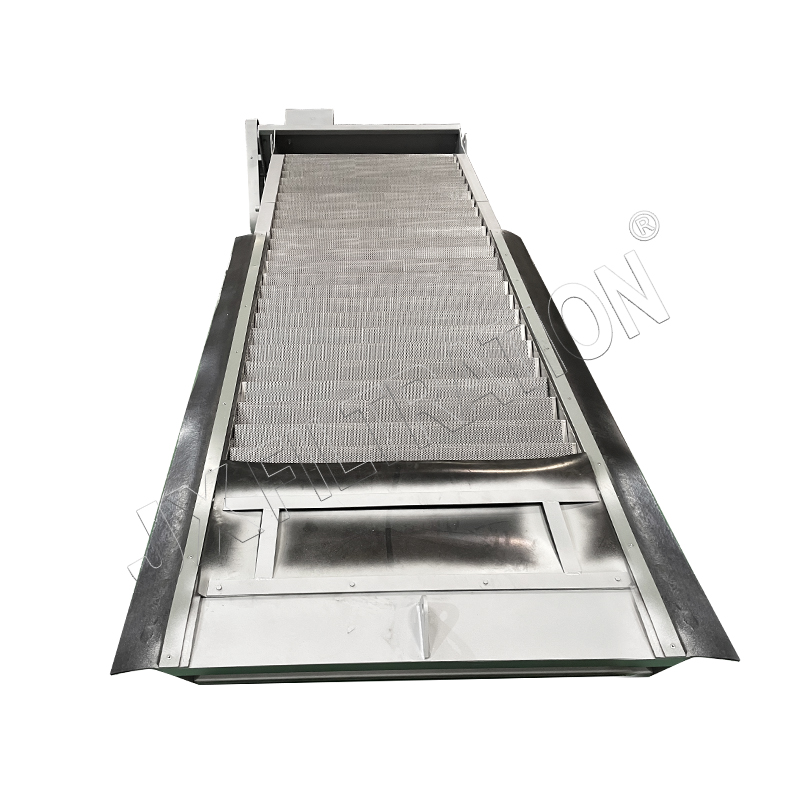
When it comes to reliable preliminary solids removal in wastewater treatment, our Mechanical Bar Screens are engineered to deliver continuous, automated screening with minimal operator intervention. With a focus on clog-resistant design, high separation efficiency, and long service life, we offer a comprehensive range of bar screens to suit various channel widths and screening requirements.
 Share to:


JX Filtration offers a full range of mechanical bar screens from compact fine screens to heavy-duty coarse bar screens, with flexible customization options to suit various channel widths and screening needs across municipal and industrial wastewater treatment—reliable, efficient, and fully automated.
A mechanical bar screen, also known as an automated bar screen, mechanical grille, or rotary fine bar screen, is a specialized solid-liquid separation device that continuously intercepts and removes debris of various shapes from fluid streams. The equipment is widely used in municipal wastewater treatment plants, water supply facilities, power plant intakes, and also serves as essential pre-treatment equipment in textile, food processing, papermaking, leather, and other industrial wastewater treatment processes.
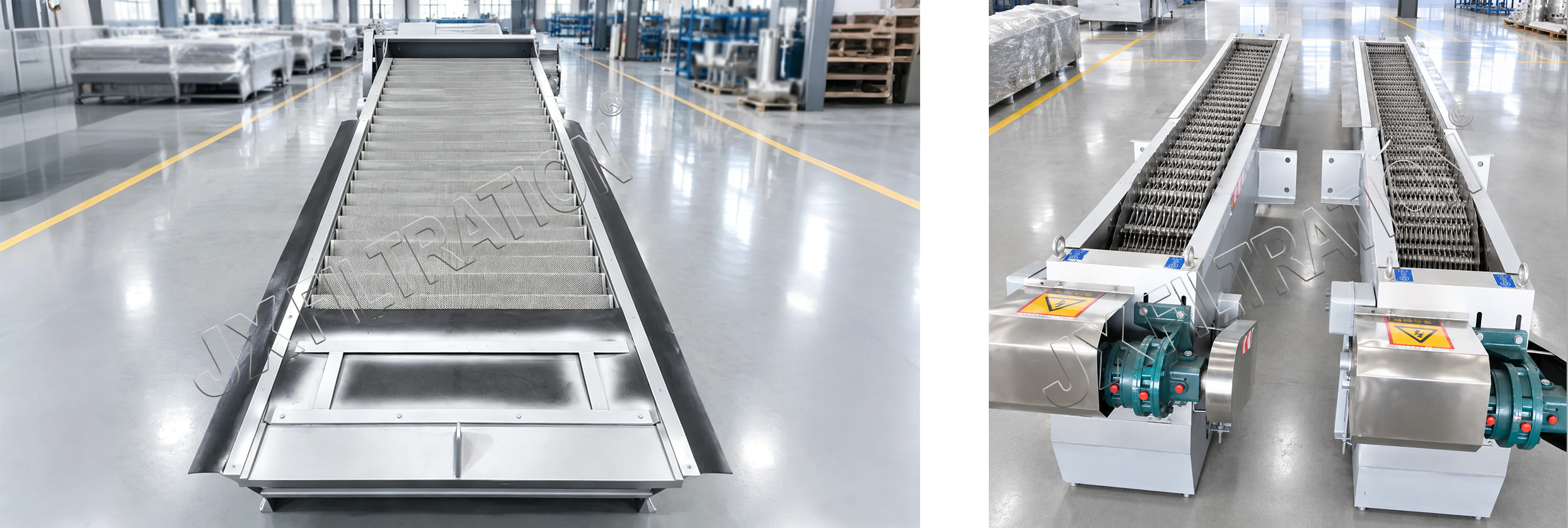
The mechanical bar screen operates through a continuous self-cleaning cycle driven by a motor and reducer:
 Municipal Wastewater Treatment Plants
  Papermaking & Pulp Industry
  Water Supply Facilities and Pumping Stations
  Leather & Tannery Wastewater
  Power Plant Cooling Water Intakes
  Slaughterhouse & Livestock Wastewater
  Other Industrial Solid-Liquid Separation Processes
 Materials: Stainless steel 304, 316, carbon steel with anti-corrosion coating.
Rake Tooth Materials: ABS engineering plastic, nylon, stainless steel.
Bar Spacing (Screen Opening): 1 mm, 3 mm, 5 mm, 10 mm, 15 mm, 20 mm, 30 mm, 40 mm, 50 mm, and custom sizes.
Machine Width: 300–3600 mm (parallel configuration available for widths exceeding 1800 mm).
Installation Angle: 60°–75°.
Channel Depth: Customizable to site conditions; standard 1535 mm with extension options.
Drive Motor Power: 0.37–2.2 kW.
Flow Capacity: Up to 24,000 m³/h.
Discharge Height: Customizable.
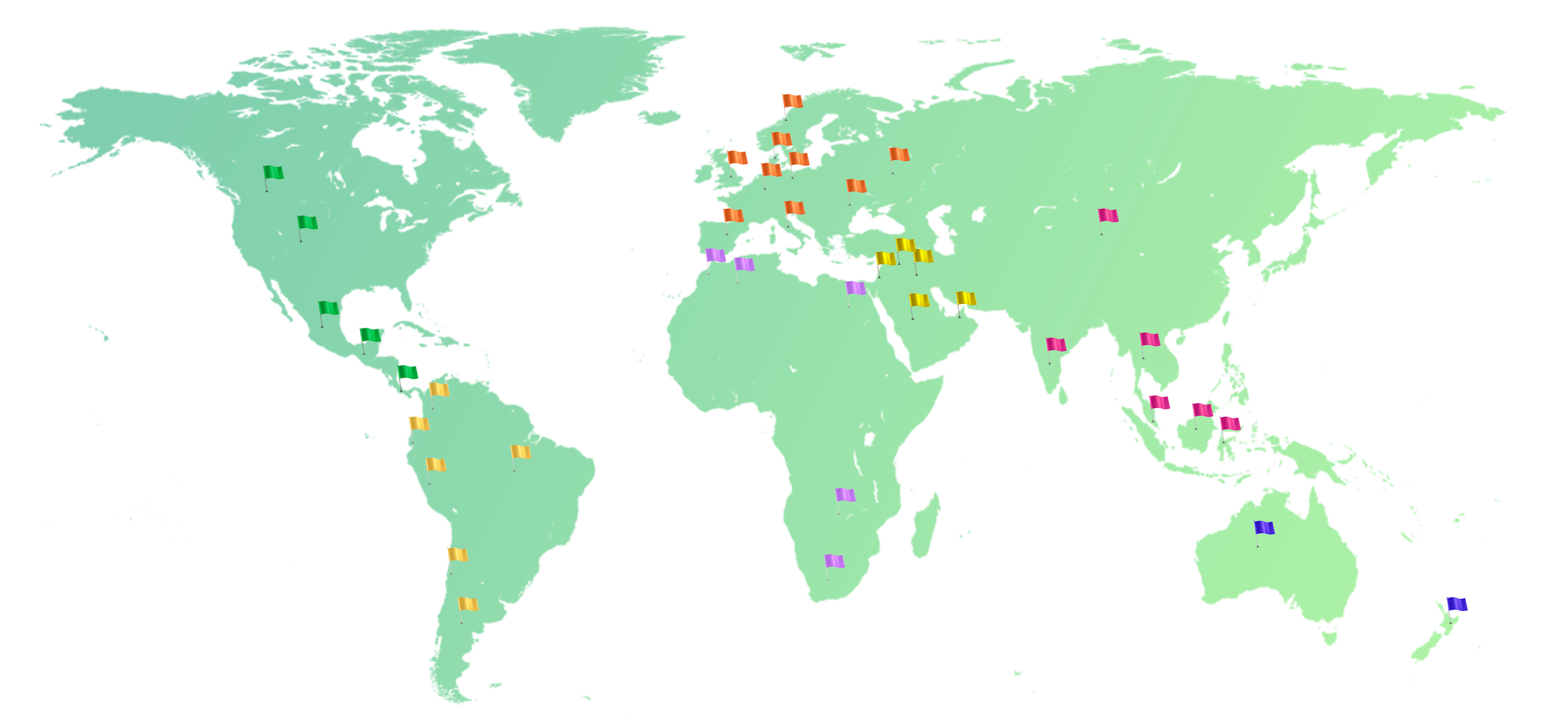
World-wide project track record, continuously creating value for clients
 Australia
  New Zealand
 Chile
Chile  Argentina
  Ecuador
  Colombia
  Brazil
  Peru
Peru 
 US
US  Canada
  Mexico
  Guatemala
  Costa Rica
 Norway
  Spain
Spain  Germany
  UK
UK  Poland
  Russia
  Italy
Italy  Ukraine
  Denmark
 India
India  Indonesia
  Malaysia
  Thailand
  Mongolia
  Singapore
 Zambia
  South Africa
  Egypt
Egypt  Morocco
  Algeria
 UAE
UAE  Saudi Arabia
  Israel
  Syria
Syria  Iraq
Iraq How can we continuously help you create value?
Something went wrong
You can also send your inquiry directly by email: grace@filtrationchina.com
Follow our social media, we share daily updates


 Inquire Now