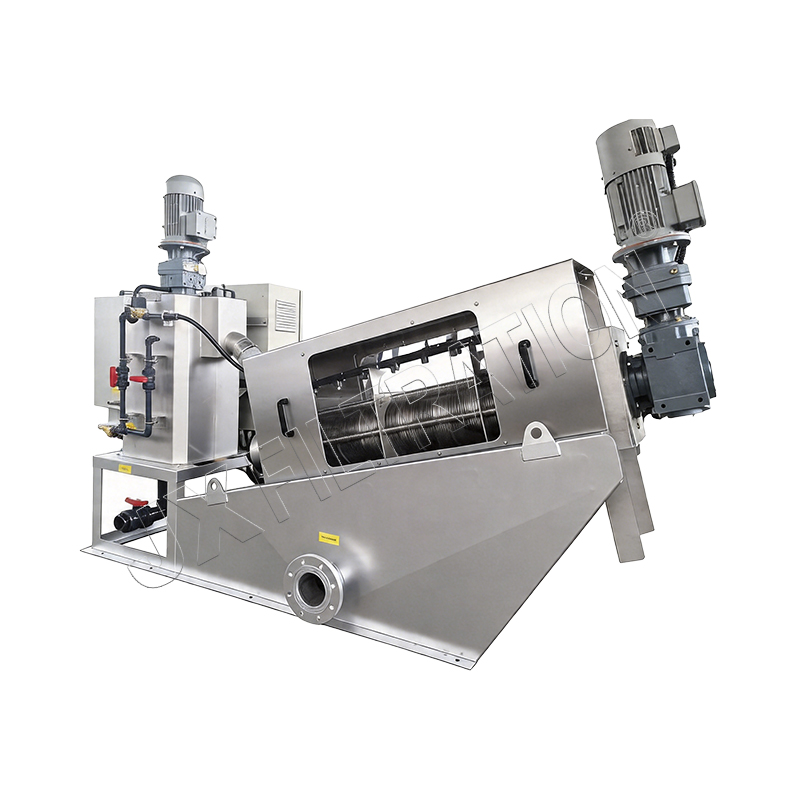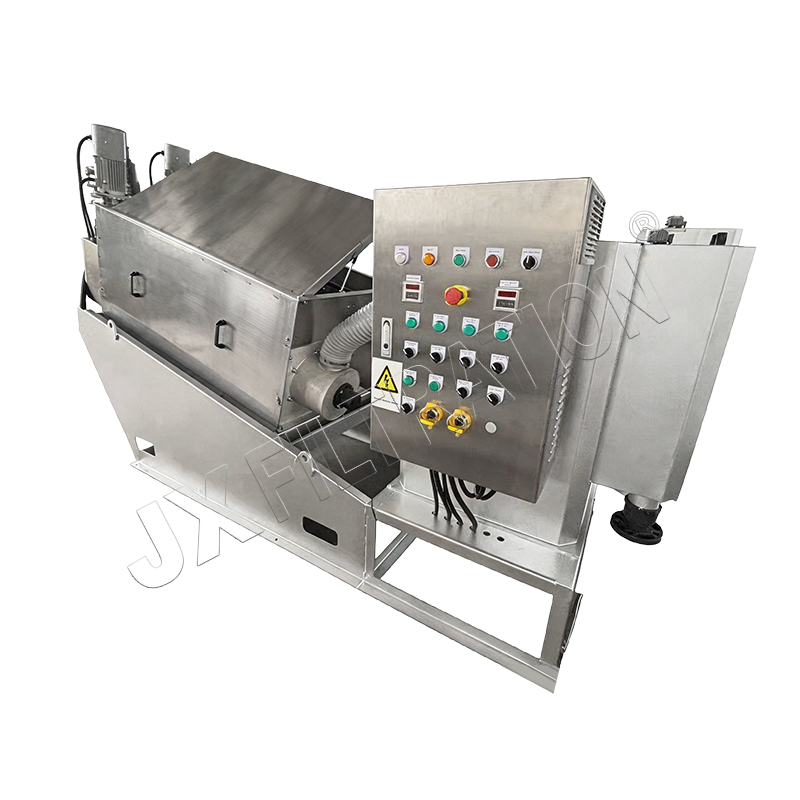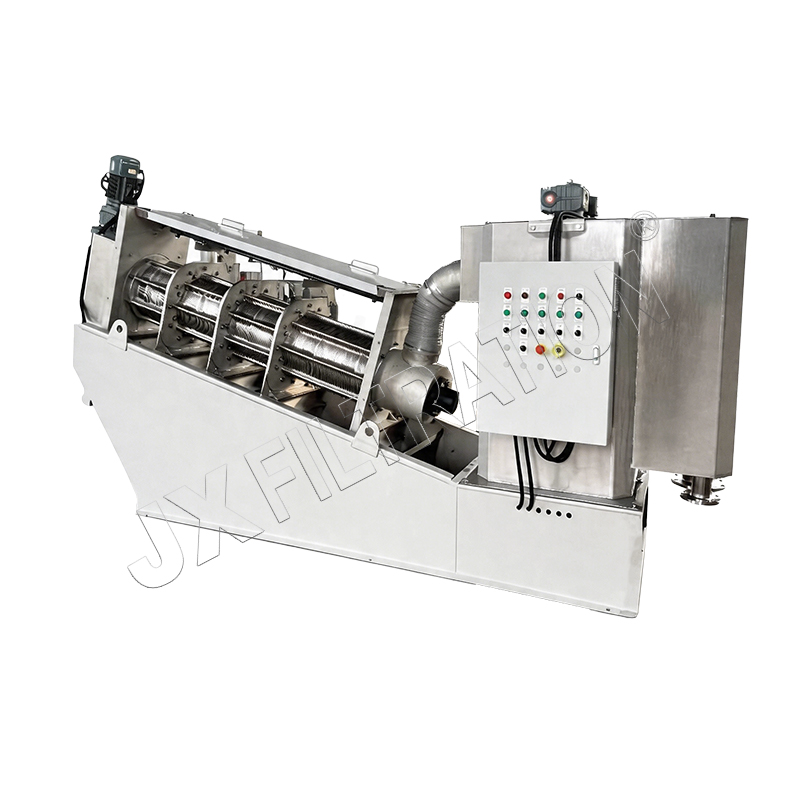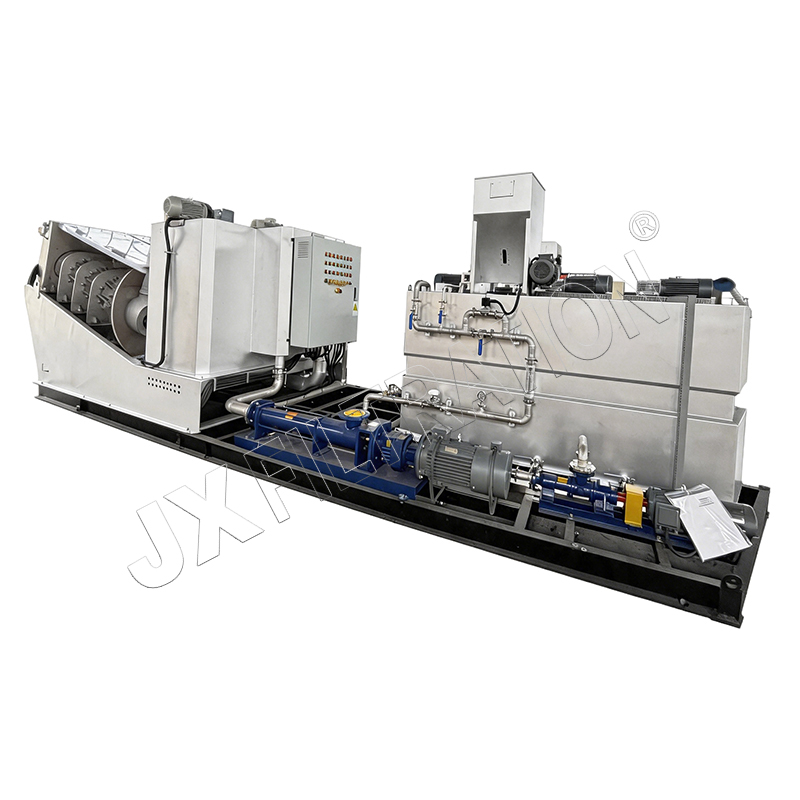
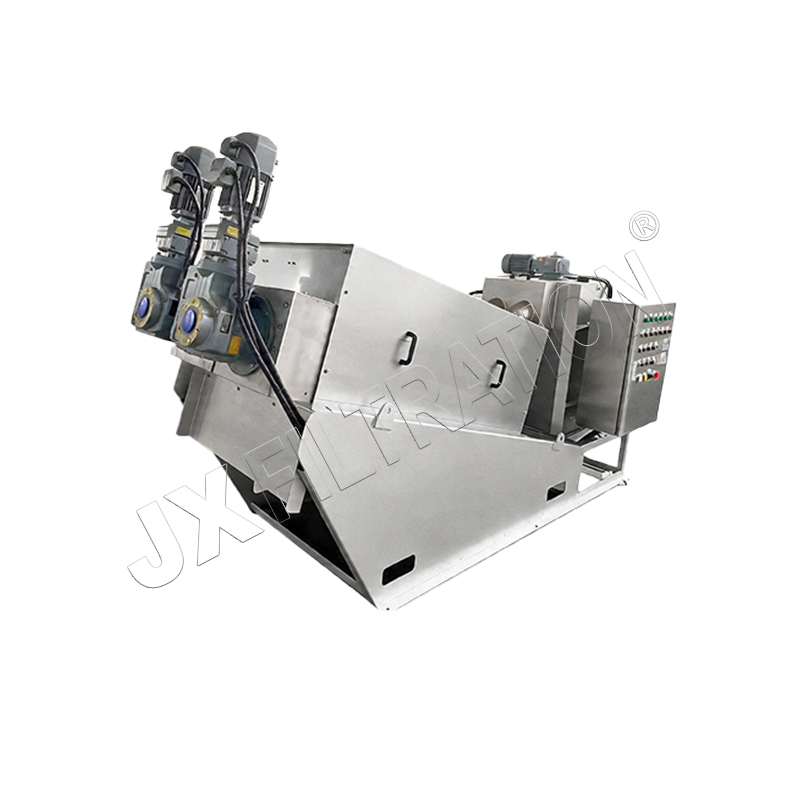
When it comes to reducing sludge volume and cutting disposal costs, our Sludge Dewatering Machines are engineered to deliver continuous, high-efficiency performance. With a focus on low energy consumption, minimal maintenance, and automatic operation, we offer a comprehensive range of dewatering equipment to suit various sludge types and treatment capacities.
 Share to:


JX Filtration offers a full range of sludge dewatering machines from compact screw presses handling 5 kg/h to large industrial models processing 800 kg/h or more, with flexible customization options to suit various sludge concentrations and treatment needs across municipal, industrial, and agricultural applications—continuous, automated, and built for demanding conditions.
Sludge dewatering machines are mechanical solid-liquid separation devices that reduce the moisture content of sludge generated during wastewater treatment, significantly decreasing sludge volume and facilitating subsequent transportation, disposal, or resource recovery. Our portfolio includes screw press dewatering machines and belt filter presses, each suited to different sludge characteristics and operational preferences.
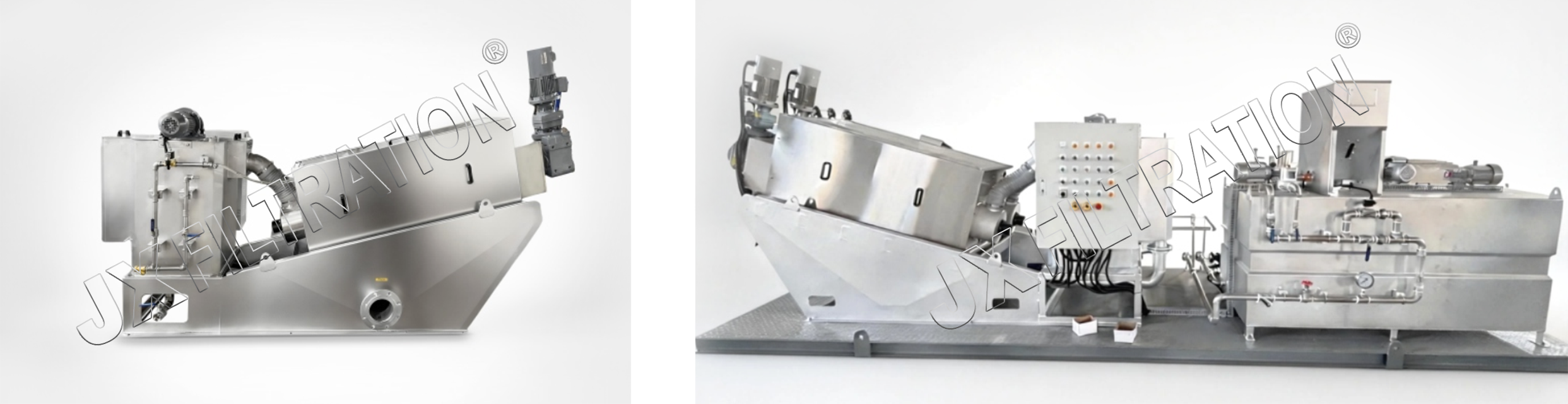
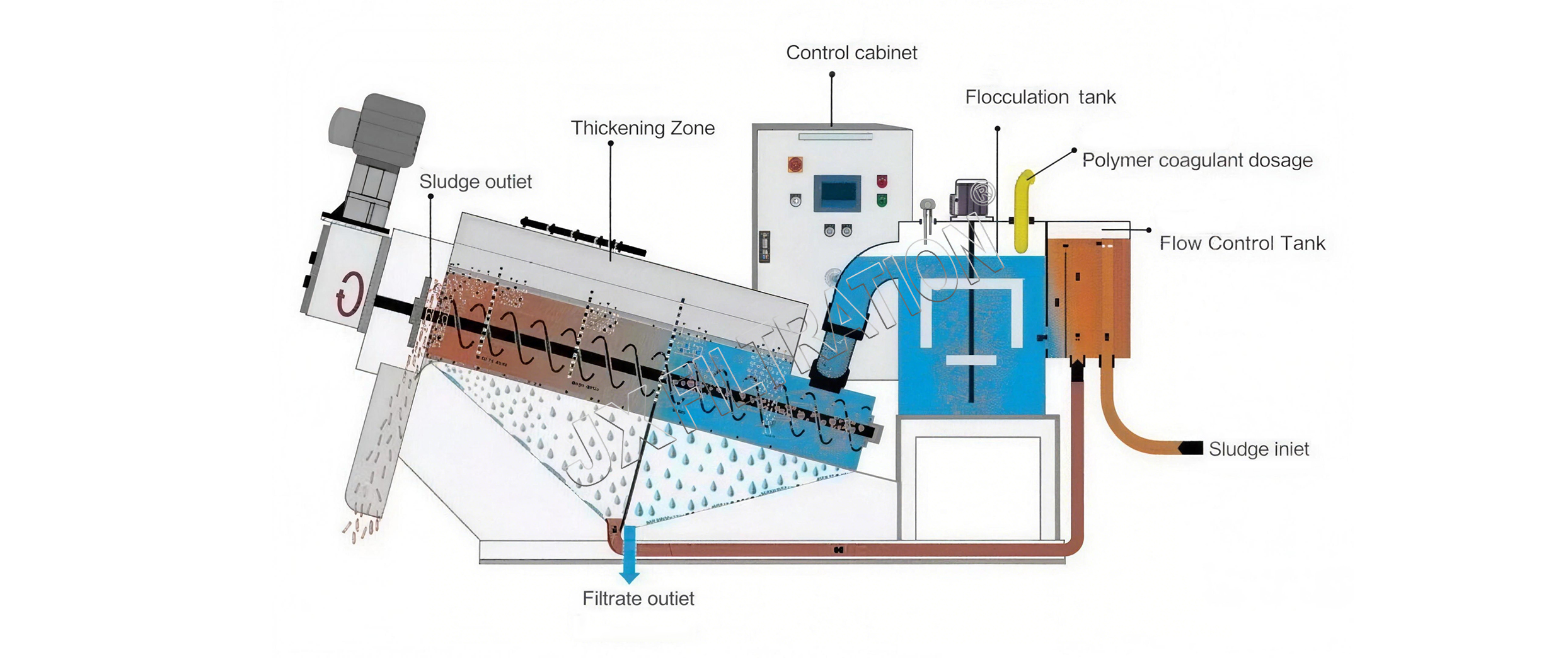
Screw Press Dewatering Machine: Sludge is transported to the dewatering section after gravity thickening. As the screw shaft rotates, the moving and fixed rings arranged around the shaft move relative to each other. The pitch of the screw shaft gradually decreases toward the cake outlet, and the gap between the rings narrows, creating increasing internal pressure that squeezes water out through the filter slots.
The relative movement between the dynamic and static rings generates a continuous self-cleaning effect, preventing clogging—a common issue in traditional dewatering equipment.
 Municipal Wastewater Treatment
  Slaughterhouse & Breeding
  Industrial Wastewater
  Agricultural & Aquaculture
  Mining & Metallurgy
  Tannery & Leather
  Sludge Reduction Projects
 Materials: Stainless steel 304, 316, 316L, and carbon steel with anti-corrosion coating.
Screw Shaft: Material SS316 or SS304, hardness up to 1100 HV with quenching treatment and tungsten carbide coating.
Dewatering Body: Stacked fixed and moving rings in stainless steel.
Main Motor Power: 1.5 kW to 7.5 kW depending on model.
Control System: Schneider or Siemens PLC with touch panel interface.
Filtrate Outlet: DN200 (varies by model).
Sewage Inlet: DN80 (varies by model).
Dosing Port: DN50 (varies by model).
Protection Class: IP55.
Treatment Capacity: 5–800 kg/h (DS).
World-wide project track record, continuously creating value for clients
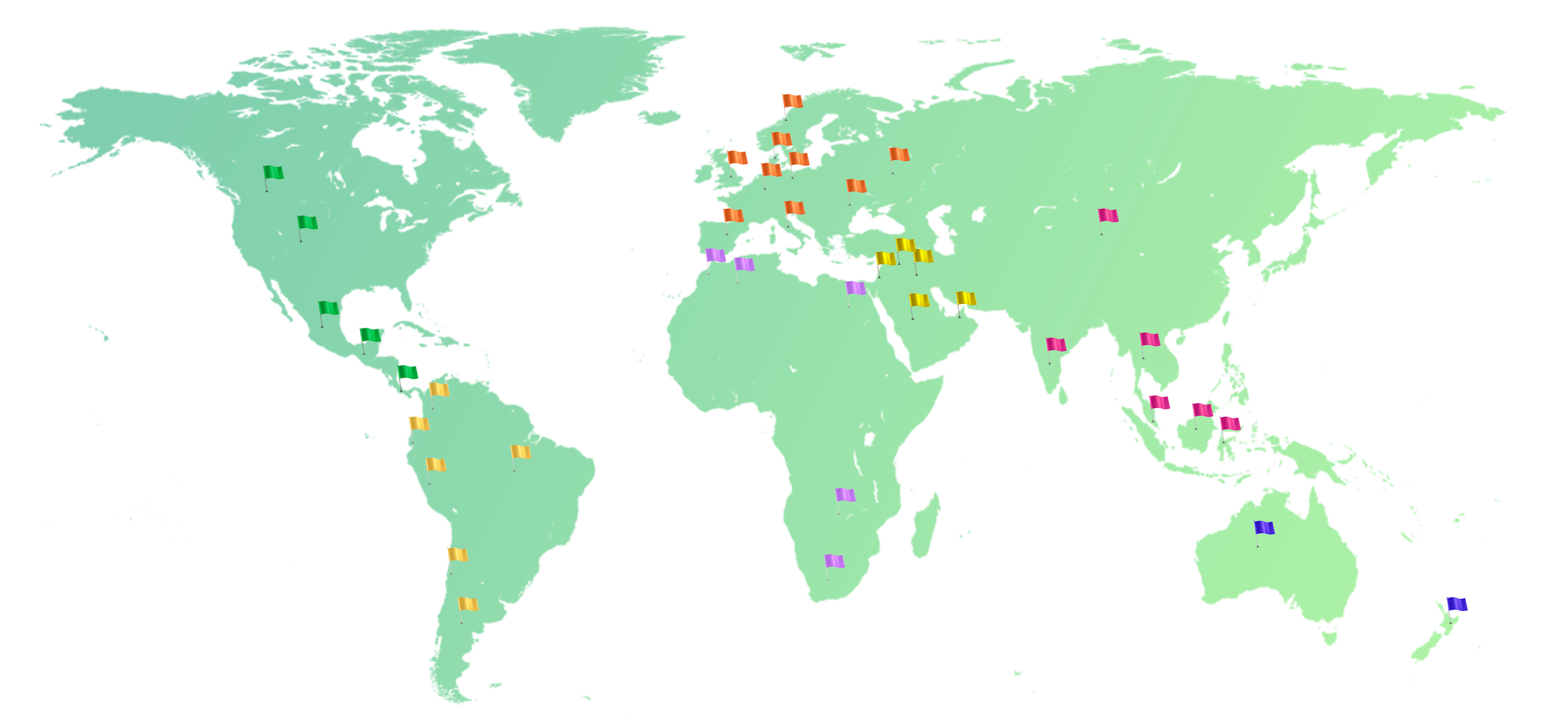
 Australia
  New Zealand
 Chile
Chile  Argentina
  Ecuador
  Colombia
  Brazil
  Peru
Peru 
 US
US  Canada
  Mexico
  Guatemala
  Costa Rica
 Norway
  Spain
Spain  Germany
  UK
UK  Poland
  Russia
  Italy
Italy  Ukraine
  Denmark
 India
India  Indonesia
  Malaysia
  Thailand
  Mongolia
  Singapore
 Zambia
  South Africa
  Egypt
Egypt  Morocco
  Algeria
 UAE
UAE  Saudi Arabia
  Israel
  Syria
Syria  Iraq
Iraq How can we continuously help you create value?
Something went wrong
You can also send your inquiry directly by email: grace@filtrationchina.com
Follow our social media, we share daily updates


 Inquire Now