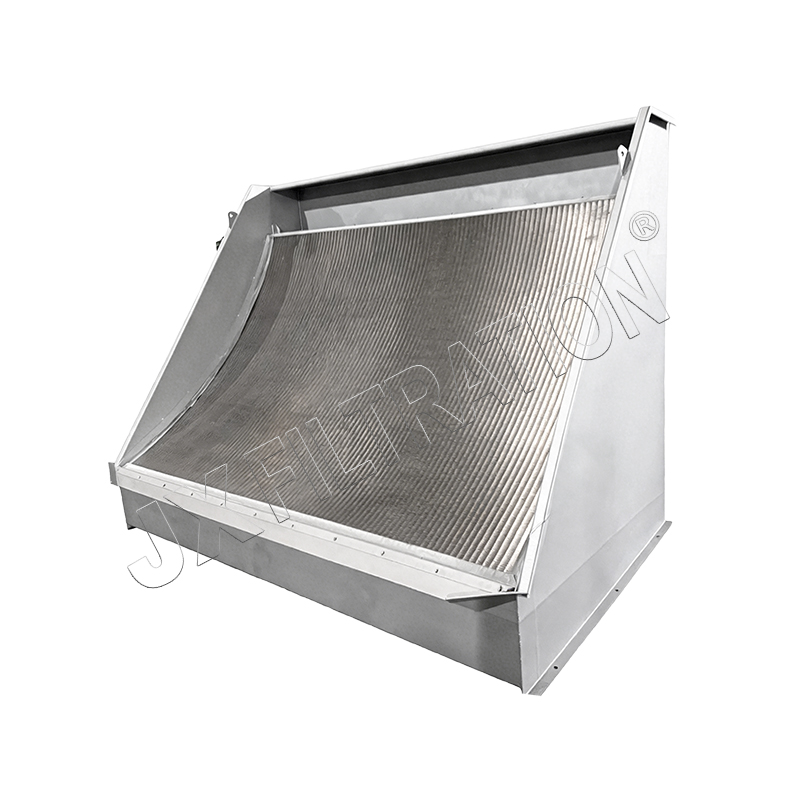
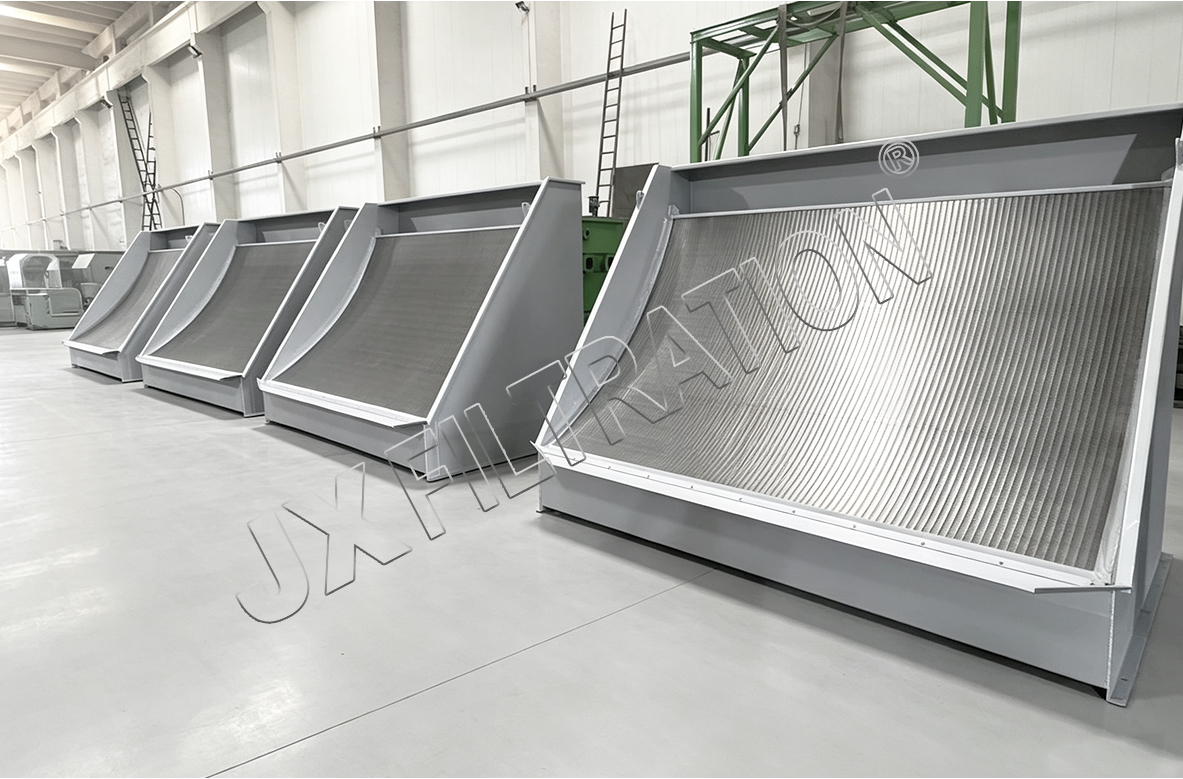
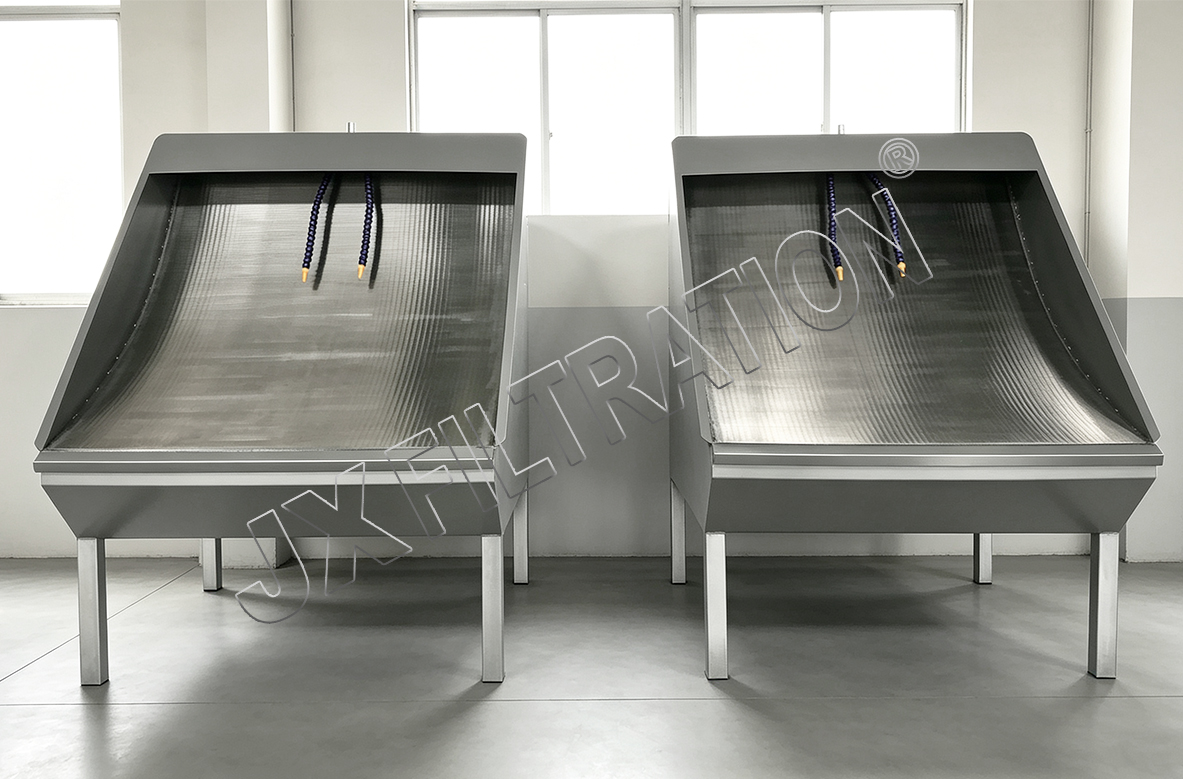
When it comes to efficient, gravity-driven solid-liquid separation, our Sieve Bend Screens are engineered to deliver reliable fine screening with zero energy consumption. With a focus on high-capacity dewatering, clog-resistant design, and all-stainless construction, we offer a comprehensive range of static curved screens to suit various industrial and municipal applications.
 Share to:


JX Filtration offers a full range of sieve bend screens from standard 45° dewatering units to 270°/300° fine screening arcs, with flexible customization options to suit various flow rates and separation cut points across wastewater treatment, food processing, pulp and paper, and mineral processing—reliable, efficient, and completely maintenance-friendly.
A sieve bend screen, also known as a DSM screen, side hill screen, parabolic screen, or static curved screen, is a stationary solid-liquid separation device consisting of a concave curved wedge wire panel mounted in a stainless steel frame, with the screen openings perpendicular to the flow direction. Unlike rotating or vibrating screens, it has no moving parts, operating solely through gravity and the natural flow of the slurry. The curved profile creates additional centrifugal and gravitational forces that press liquid through the slots, giving a curved screen greater dewatering capacity than a flat wedge wire panel of the same area.
 Wastewater Treatment
  Sugar Industry
  Pulp & Paper
  Sludge & River Dredging
  Surface Water Intakes
  Mineral Processing
 Screen Materials: Stainless steel 304, 316, 316L, 321, and other corrosion-resistant alloys.
Profile Wire: 1.8 mm × 4.5 mm, 1.27 mm × 2.4 mm, or customized.
Support Bar: 2 mm × 9.5 mm, 2 mm × 4.2 mm, or customized.
Slot Opening: 0.02 mm – 20 mm (standard production range); 0.25 – 1 mm for typical wastewater and food applications.
Panel Width: Up to 2000 mm.
Arc Length: 1885 mm, 2000 mm, or customized.
Arc Angle: 45°, 60°, 120°, 270°, 300°.
Frame Material: Stainless steel 304 or 316.
Connection Types: Flanged inlet/outlet connections with customizable pipe diameters; feed box and collection hopper available in standard or custom designs.
World-wide project track record, continuously creating value for clients
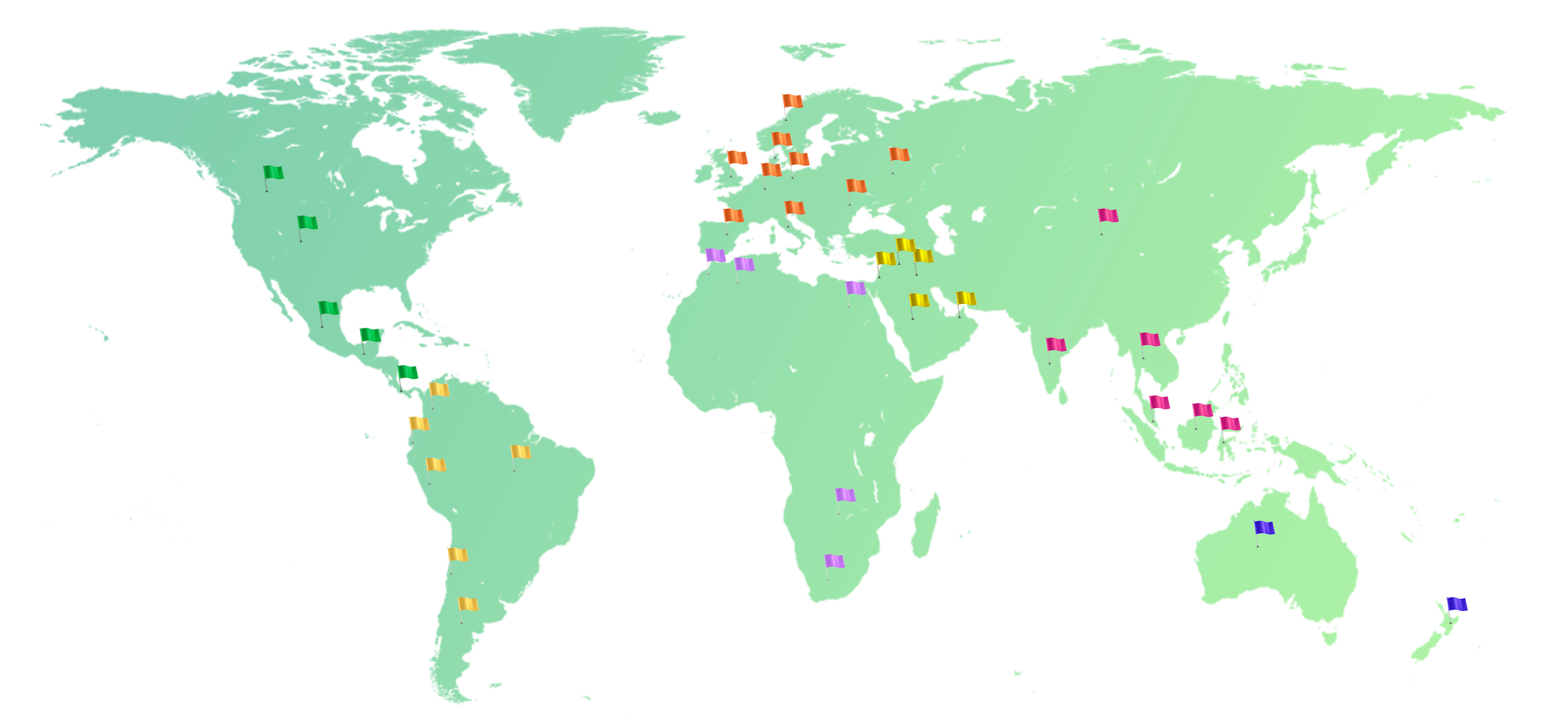
 Australia
  New Zealand
 Chile
Chile  Argentina
  Ecuador
  Colombia
  Brazil
  Peru
Peru 
 US
US  Canada
  Mexico
  Guatemala
  Costa Rica
 Norway
  Spain
Spain  Germany
  UK
UK  Poland
  Russia
  Italy
Italy  Ukraine
  Denmark
 India
India  Indonesia
  Malaysia
  Thailand
  Mongolia
  Singapore
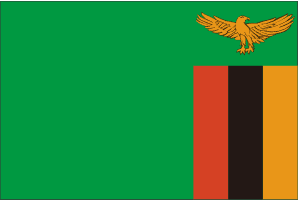 Zambia
  South Africa
  Egypt
Egypt  Morocco
  Algeria
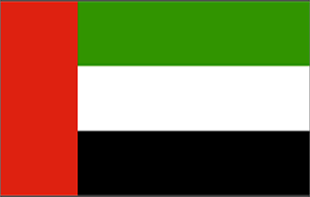 UAE
UAE  Saudi Arabia
  Israel
  Syria
Syria  Iraq
Iraq How can we continuously help you create value?
Something went wrong
You can also send your inquiry directly by email: grace@filtrationchina.com
Follow our social media, we share daily updates


 Inquire Now