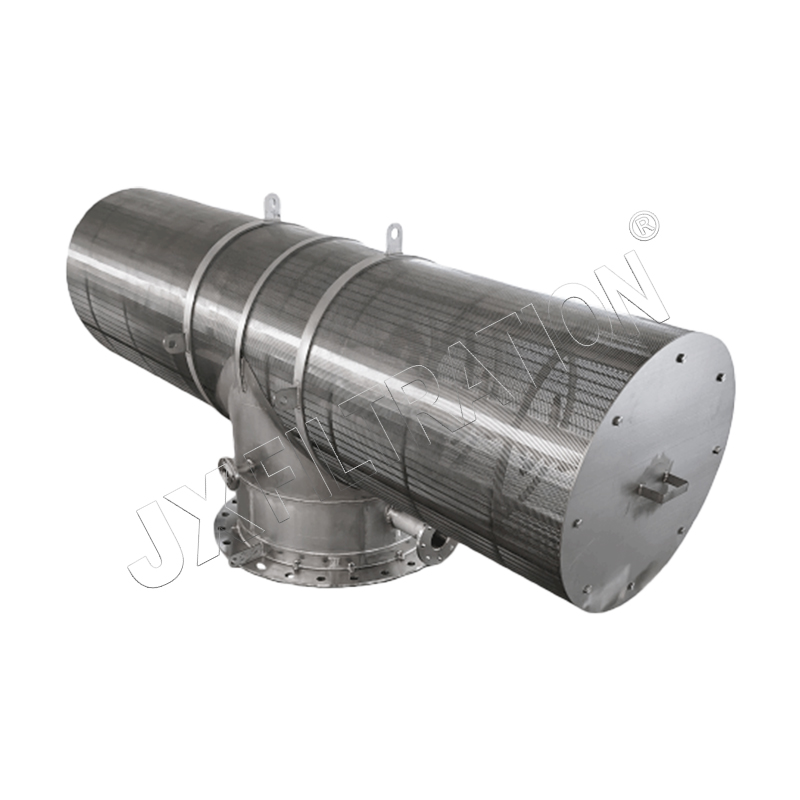
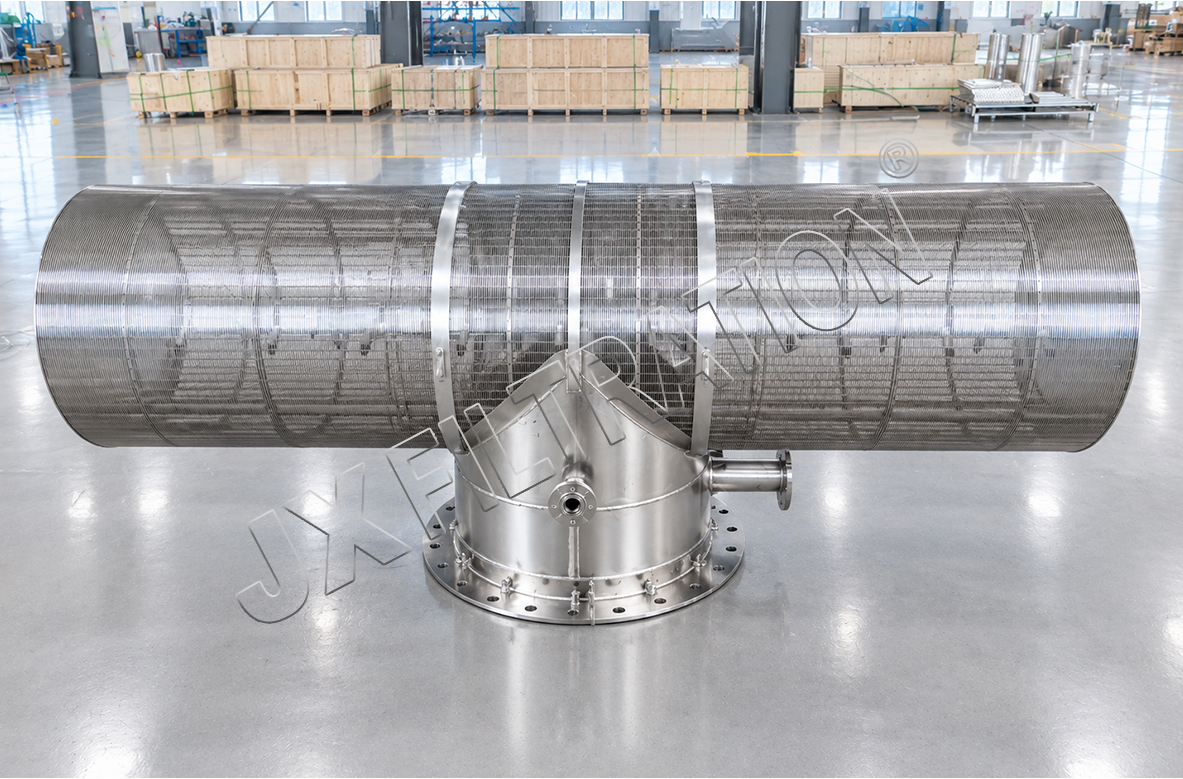
When it comes to protecting pumps and downstream systems at water intake points, our Water Intake Screens are engineered to deliver reliable, passive screening with minimal maintenance. With a focus on clog-resistant wedge wire construction, low approach velocity, and aquatic life protection, we offer a comprehensive range of T-type, half-intake, and drum-type screens to suit various water sources and intake capacities.
 Share to:


JX Filtration offers a full range of water intake screens from compact 6” T-type units to large-diameter drum and half-intake configurations, with flexible customization options to suit various flow rates and water source conditions—passive, self-cleaning, and built for long-term submerged operation.
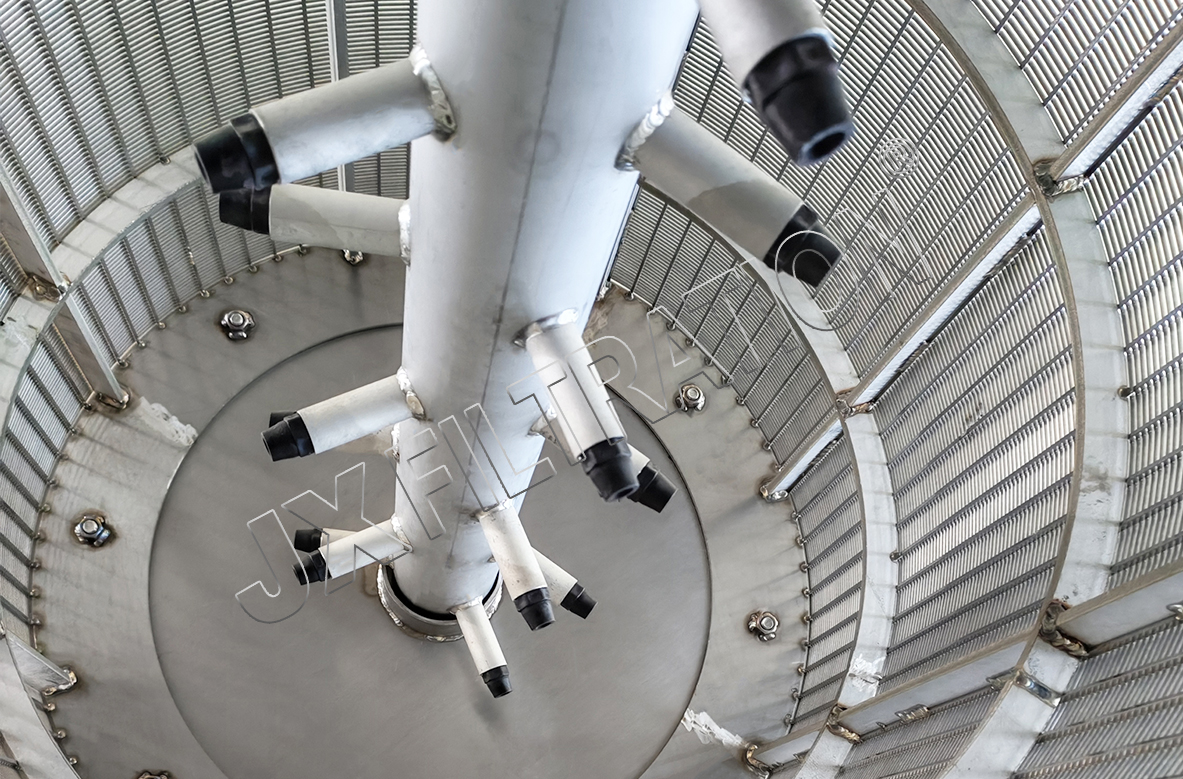
A water intake screen, also known as a passive intake screen, wedge wire intake screen, or intake filter screen, is a T-shaped or cylindrical screening device installed at the submerged end of a water intake pipe. It is mainly used to clean water extracted from the sea, rivers, or lakes—water passes through the screen while debris and aquatic organisms remain in the water source. The cleaned water is used as cooling water for process water or industrial sites, power plants, raw water systems, desalination plants, drainage channels, and irrigation offtakes. Constructed of non-plugging V-shaped wires with continuous and smooth slots, the screen provides a large open area and low flow rate across the surface, with no moving parts and no power required for operation.
 Power Plants
  Irrigation Systems
  Desalination Plants
  Aquaculture
  Municipal Water Supply
  Drainage Channels
  Industrial Water Intake
  Oil & Gas
 Materials: Stainless steel 304, 316, 316L, 321, duplex stainless steel 2205, 2507, and other alloys including C276, Alloy 20, Monel 400, Copper Nickel.
Wedge Wire Sizes: Width 1.50–3.70 mm, height 2.20–7.00 mm.
Support Rod Sizes: Width 2.30–3.70 mm, height 2.70–6.30 mm, round from 2.50 mm to 6.0 mm.
Slot Sizes: customizable.
Screen Diameter: 25 mm to 1500 mm (customer requirements).
Screen Length: Up to 6 m.
End Connection: Welding ring, flanged end, threaded connection.
Screen Types: T-type, half-intake, drum-type.
Pipe Diameters: 6”, DN600, and custom sizes.
World-wide project track record, continuously creating value for clients
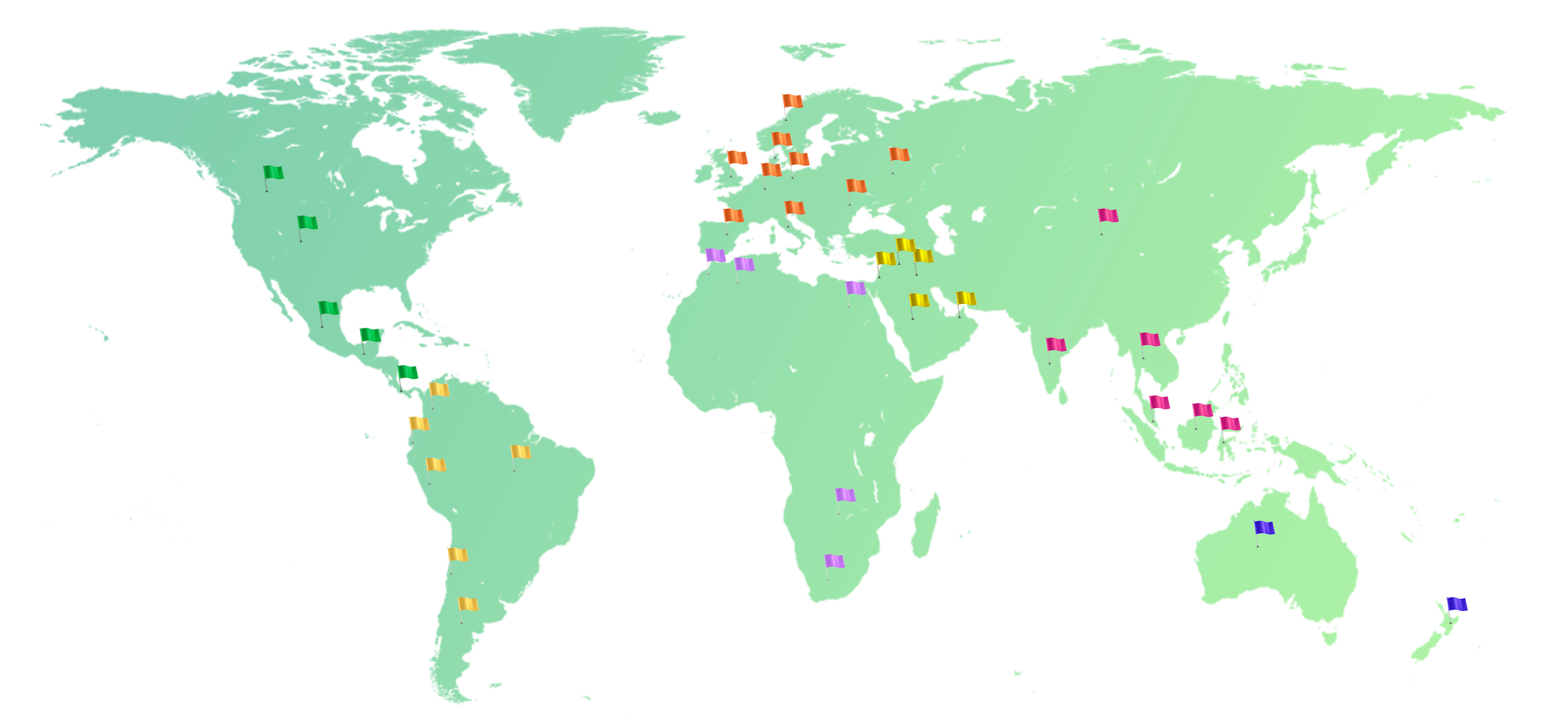
 Australia
  New Zealand
 Chile
Chile  Argentina
  Ecuador
  Colombia
  Brazil
  Peru
Peru 
 US
US  Canada
  Mexico
  Guatemala
  Costa Rica
 Norway
  Spain
Spain  Germany
  UK
UK  Poland
  Russia
  Italy
Italy  Ukraine
  Denmark
 India
India  Indonesia
  Malaysia
  Thailand
  Mongolia
  Singapore
 Zambia
  South Africa
  Egypt
Egypt  Morocco
  Algeria
 UAE
UAE  Saudi Arabia
  Israel
  Syria
Syria  Iraq
Iraq How can we continuously help you create value?
Something went wrong
You can also send your inquiry directly by email: grace@filtrationchina.com
Follow our social media, we share daily updates


 Inquire Now